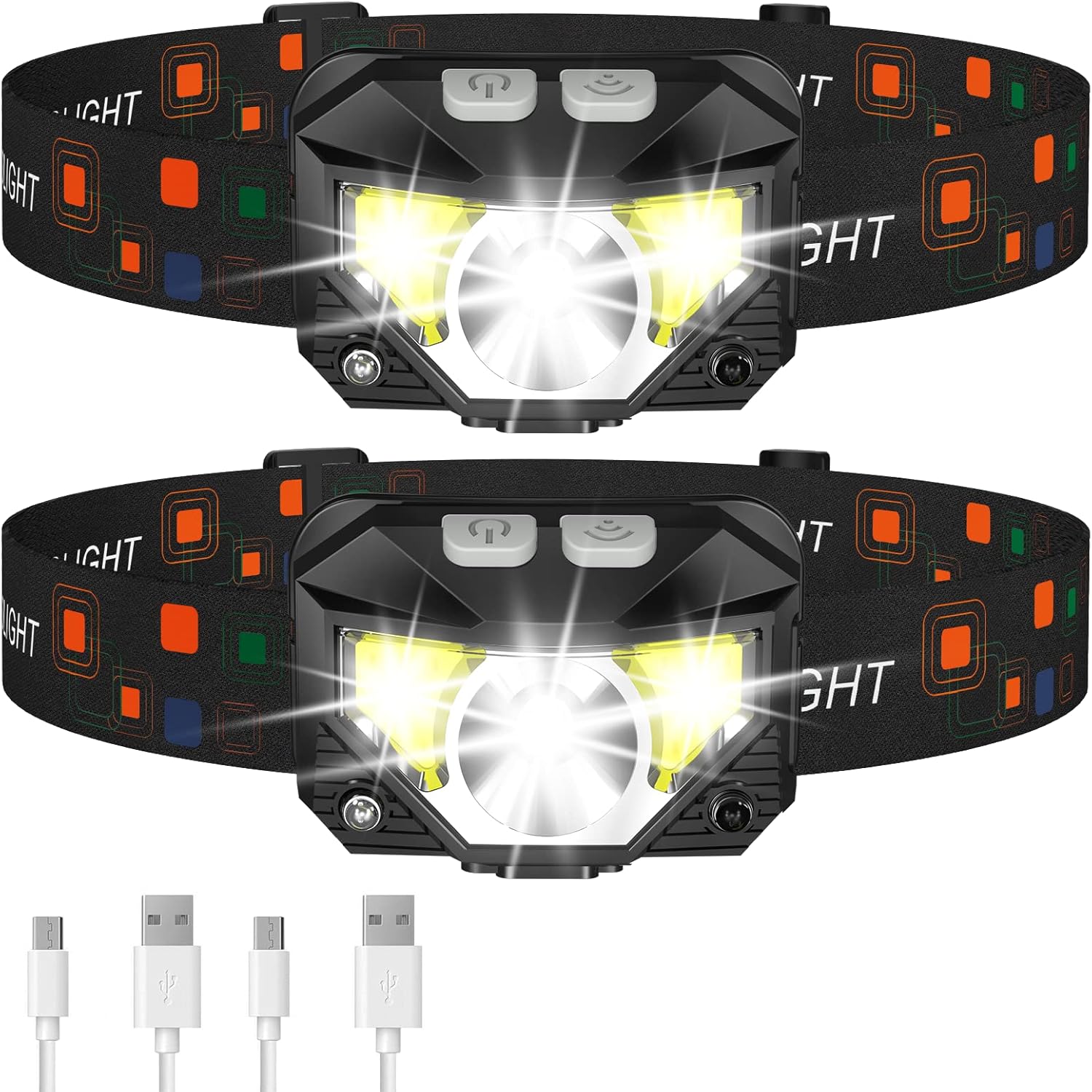
USB era lights end the AAs-in-the-boonies lottery—one cable, one habit, and fewer ghost-dims at hour three.
A compact rechargeable flashlight in the LHKNL vein is a piece of safety equipment disguised as an everyday object. The marketing will talk about lumens; our long-form testing talks about the moments when you can see a cairn, a trail marker, a rope, or a partner’s face, and the moments when you cannot. In those seconds, the difference between a real beam with a useful hotspot and a “bright enough for the junk drawer” light is the difference between confidence and a stumble you cannot afford. We do not treat flashlights as toys; we treat them as part of a navigation and communication system that includes a map, a compass, a charged phone you cannot rely on, and a plan B when all of the above are unhappy.
Rechargeable lights trade battery swaps for power discipline. A USB-C ecosystem is a gift if your life is already on USB-C; it is a curse if the only cable you have in the car is a decade old. We test charge times from a wall, from a mid-tier power bank, and from a vehicle’s slow-charge port, because a dead light is not a philosophical problem; it is a concrete one. We also test cold: lithium behavior changes in the freezer, and a light that is full at home can be shy at the trailhead if it sat in a subzero trunk overnight. The answer is to sleep with batteries inside the sleep system on serious cold trips, or to use an external cell format when the design allows.
User interface is where brands win or lose loyal users. A single side switch with memory mode is a feature we love, because the second click in a storm should not be a strobe in your own eyes. We test lockout, because a light that turns on in a pack and drains to dead is a classic way to break trust. We also test if the light rolls off a table; flat bezels, pocket clips, and knurling are not style; they are operational stability.
The waterproof story is a letter-of-spec vs. spirit-of-field issue. An IPX rating is a lab number; a soaked pocket is a field reality. We dunk, we spray, we use lights in monsoon zippers-open contexts, and we look for moisture inside the head after. If a seal is weak, we note it, because a fogged reflector is a lost throw distance when you are trying to signal a boat.
Ergonomics: in gloves, in rain, in bare cold hands, can you actuate the mode you want without a manual? We have testers of different hand sizes, because a switch placed for a large thumb can be a thumb yoga exercise for a smaller one.
Ancillary use: a bright light is not always your friend. We test low modes for map reading, for camp chores without destroying night vision, and for finding things in a tent without blinding a partner. We also test the moral discipline to not use a thousand-lumen strobe in a public campground, because your safety should not be everyone else’s seizure risk.
Culturally, a good rechargeable flashlight is the “I forgot I needed this” gift that people actually use. In daypacks, in glove boxes, in kitchen drawers, it is the first tool grabbed when the breaker pops, the dog runs, or the car dies on a forest road. That ubiquity is not a detraction; it is a form of field relevance.
In closing, a LHKNL-style compact rechargeable light earns its place when it passes boring tests: stable output after heat, a UI that you can use tired, a charge that matches your life, and a beam that matches your geography. The mountains and the power grid do not care about your brand preferences; they care if you can see, think, and move. We test lights with that gravity, and we suggest you do too.
The Verdict
Light weight on your back, not just on the spec sheet.